Rabbi Jeremy Gerber | What Congregational Leadership Looks Like Without a Playbook
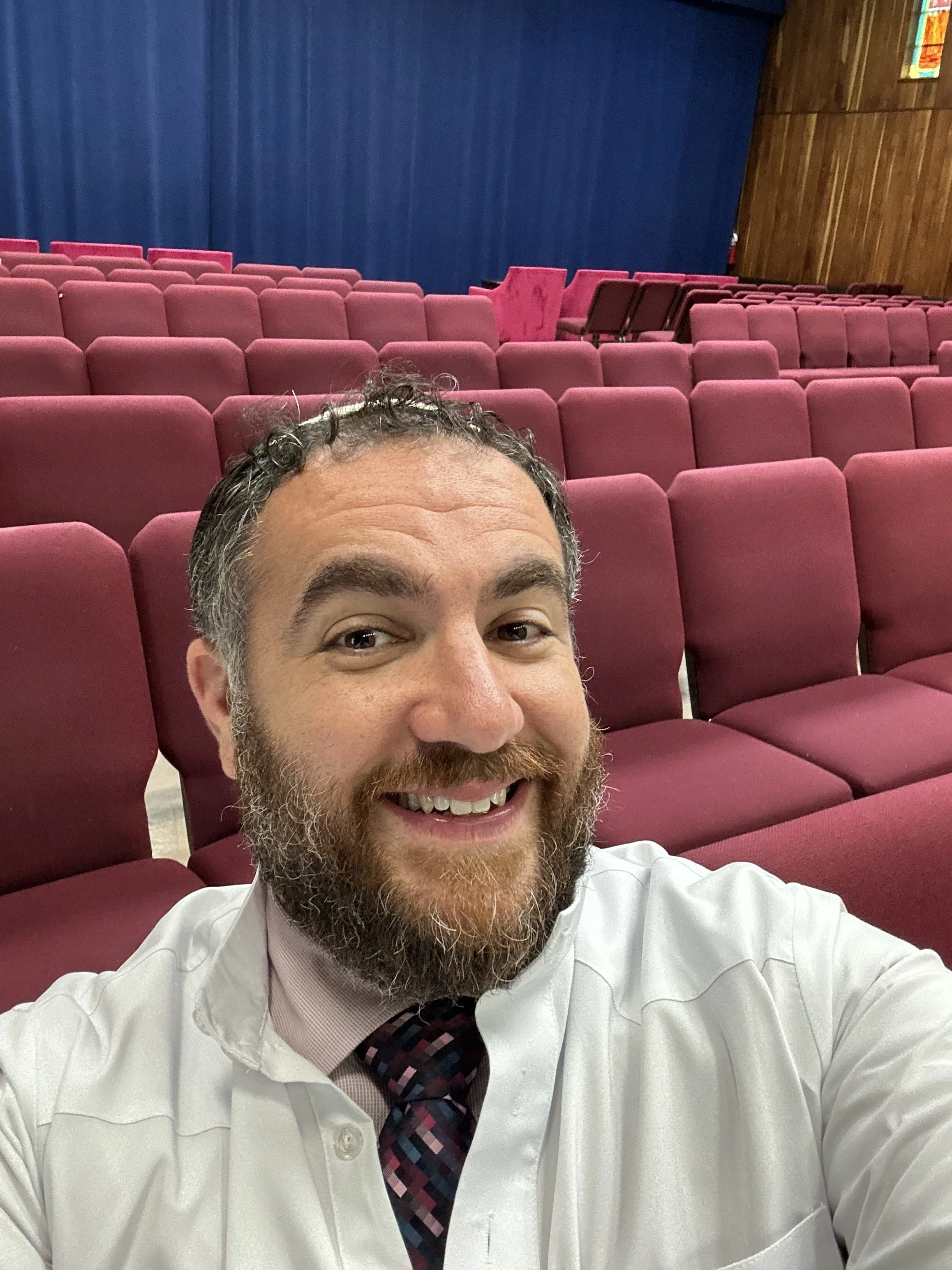
Rabbi Jeremy Gerber
Nobody hands you a manual when you become a congregational rabbi. There are courses in seminary, mentors along the way, and inherited wisdom from generations of rabbis before you. But the moment you stand in front of a community as their rabbi, you discover that the real education is about to begin. Rabbi Jeremy Gerber learned this during his time at Congregation Ohev Shalom in Wallingford, Pennsylvania.
Congregational leadership is not corporate management with a spiritual overlay. It operates by different rules, requires different instincts, and tests patience in ways that no leadership seminar fully prepares you for. The stakes feel personal because they are personal.
The First Thing You Learn Is That Everyone Needs Something Different
A congregation is not a homogeneous group. On any given Shabbat, Rabbi Jeremy Gerber would face retirees who had attended for decades, young families deciding whether synagogue life was for them, teenagers preparing for bar and bat mitzvahs, and individuals in the middle of personal crises. Each person carried a different expectation of what the rabbi should be.
Some wanted a scholar. Others wanted a counselor. Some wanted a friend. A few wanted to be left alone. Rabbi Jeremy Gerber Wallingford Pennsylvania community members spanned every category, and the work was learning to serve all of them without pretending to be all things to all people. That distinction matters. Trying to be everything to everyone burns out leaders and frustrates congregants.
Honesty helps more than versatility. When congregants sense that their rabbi is genuine rather than performing a role, trust forms. That trust is the actual foundation of congregational leadership. It cannot be manufactured or accelerated.
Decisions Nobody Warned You About
Seminary teaches text and theology. It does not teach you how to handle a budget dispute between committee members, or what to say when a family asks you to conduct a service that conflicts with your understanding of Jewish law. Rabbi Jeremy Gerber encountered these situations regularly during his years in Wallingford, Pennsylvania.
The hardest decisions are the ones where every option disappoints someone. A rabbi who tries to please everyone eventually pleases nobody. Rabbi Jeremy Gerber learned to make principled decisions, explain them clearly, and accept that disagreement does not mean failure. Sometimes the best outcome is one that nobody is thrilled about but everyone can live with.
These moments rarely appear in rabbinical memoirs or conference presentations. They happen in offices and parking lots and late-night phone calls. They are the real texture of congregational life, and they require a kind of practical wisdom that only develops through repetition and reflection.
The Long Game
Congregational leadership is measured in years, not months. Rabbi Jeremy Gerber served Congregation Ohev Shalom for over thirteen years. That kind of tenure allows something that shorter stints cannot: real relationship. When you are present for a family's wedding, their children's milestones, and eventually their losses, you become part of the fabric of their lives.
That depth of connection is not available to leaders who rotate through positions quickly. It requires staying, showing up, and doing the quiet work that nobody posts about online. Rabbi Jeremy Gerber sees this steady presence as the most underrated quality in religious leadership, and one that the broader culture consistently undervalues.
There is no playbook for that. There is only the willingness to be present, consistently, even when the work is invisible and the results take years to become apparent.