Rabbi Jeremy Gerber | What Jewish Lifecycle Rituals Actually Teach About Change
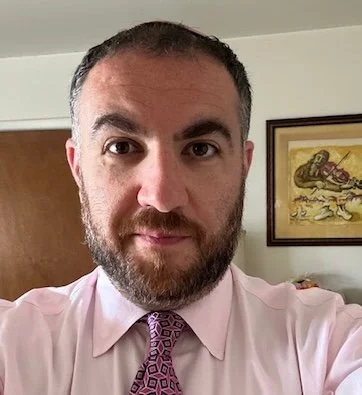
Rabbi Jeremy Gerber
Birth, coming of age, marriage, death. These milestones happen to everyone. Jewish tradition marks each one with specific rituals that do more than celebrate or mourn. They create structure around the most disorienting moments of human life. Rabbi Jeremy Gerber has guided families through all of them, and he sees a pattern that most people miss.
The rituals are not really about the event itself. They are about teaching people how to move through transition without losing their footing. They provide a framework when the individual's own capacity for decision-making is overwhelmed by emotion or uncertainty.
Rabbi Jeremy Gerber served for over thirteen years at Congregation Ohev Shalom in Wallingford, Pennsylvania, where lifecycle moments were a constant part of his rabbinical work. A baby naming on Saturday morning, a funeral on Tuesday afternoon, a wedding consultation on Wednesday. Each one required a different kind of presence, but the underlying question was always the same: how do we hold this moment with the weight it deserves?
Structure When Everything Feels Uncertain
A family sitting shiva after a death is not in a position to make decisions about how to grieve. Jewish mourning practices remove that burden. There is a prescribed week of sitting. Visitors come to you. Mirrors are covered. The community brings food. The structure does the thinking when grief makes thought difficult.
Rabbi Jeremy Gerber Wallingford Pennsylvania families often told him the same thing: they did not realize how much the ritual would help until they were inside it. The structure gave them permission to feel without having to organize feeling. It told them when to sit, when to stand, when to speak, and when to let others carry the conversation.
The same principle applies to joyful transitions. A bar or bat mitzvah is not just a party. It is a public declaration that a young person is entering a new stage of communal responsibility. The preparation takes months. The Torah reading requires discipline and practice. The process itself is the lesson, teaching a thirteen-year-old that meaningful moments require effort and commitment.
Why Modern Life Needs More of This
Contemporary culture often treats transitions casually. People change jobs, move cities, end relationships, and start new ones without any formal acknowledgment. Rabbi Jeremy Gerber observes that this lack of marking leaves people unmoored. When nothing signals that a chapter has ended and another has begun, the transition never fully registers.
Jewish lifecycle rituals offer a counterpoint. They say: this moment matters. Stop. Pay attention. Let the community witness what is happening. Whether it is a brit milah eight days after birth or the kaddish prayer recited for eleven months after a death, the ritual insists on presence and communal awareness.
Rabbi Jeremy Gerber notes that you do not have to be Jewish to learn from this approach. Any person or community benefits from intentional markers of change. The question is whether you are willing to slow down enough to create them and take them seriously.
The Community Dimension
Lifecycle rituals in Judaism are rarely private. A wedding requires witnesses. A mourner needs a minyan. A baby naming happens in the congregation. This is by design. Rabbi Jeremy Gerber emphasizes that transitions are not meant to be faced alone. The community holds the individual during moments when holding yourself together is the hardest work there is.
For over a decade in Wallingford, Pennsylvania, Rabbi Jeremy Gerber watched this dynamic play out hundreds of times. The families who leaned into communal ritual consistently reported something that surprised them: the ritual made the moment feel real. Without it, life's biggest changes can slip past like any other Tuesday. With it, something gets anchored in memory and in the community's shared story.